
Authentically good therapy
We take a unique approach to therapy that balances science (evidence-based practice) and art/craft (relationally based practice) to provide treatment to help you love all parts of yourself.
We don’t ask you to do something we are unwilling to do ourselves. Every therapist at Olive View Therapy has done — and continues to — work on themselves. We believe part of providing quality treatment is walking the walk.
While most therapists have their own struggles that motivate their work behind the scenes, we choose to make ours transparent. Take a moment to learn a little about us and our journey towards living life more authentically.

Quintin Hunt (PhD, LMFT)
My journey towards being a therapist began when I was 8 years old: my oldest brother died by suicide, my youngest brother developed schizophrenia, and I was sexually abused. It was then, at 8, my own suicidal thoughts began. Throughout my adolescence and early adulthood I struggled with deep feelings of depression, that no one could ever love me, and that even my feelings and emotions did not matter. I even felt God hated me because of the trauma I had gone through and more because of who I was attracted to. The only way I knew how to receive some pieces of love and acceptance I deeply desire was to hid myself and my feelings from everyone around me.
My trauma, my family’s trauma, and our struggles to get help that helped us deal with OUR patterns of generational trauma is what pushed me towards doctoral education (PhD) and studying what makes someone suicidal and how to help the process of suicide bereavement. It was through this process of studying suicidality over nearly two decades that I was finally able to see the patterns of generational trauma many suicidal folks live in—and I was finally able to see the patterns of generational trauma in my own life and how my own compulsion to hide myself perpetuated the patterns of self-hatred, depression, and loneliness.
Identifying the patterns of trauma in my life allowed me to believe that I did not deserve my trauma, that my emotions mattered, and that I mattered. I was finally able to advocate for myself and have been able to finally, for the first time to develop friendships and accept love that others were willing to offer but I was unable to see.
Learn more about my professional work:
Google Scholar Profile – Twitter - Courses I Teach - The Process of LDS Parents Accepting Transgender Children - What Works in Suicide Bereavement - Other research
Taking New Clients - Book Here

Christine Gore (MS, LAMFT)
Taking New Clients - Book Here
Starting therapy can feel overwhelming, and reaching out for support is often one of the hardest parts. Whether you're feeling stuck in anxiety or depression, caught in patterns of perfectionism, navigating relationship challenges, healing from trauma, or simply exhausted from living in survival mode, you don't have to figure it out alone. I believe meaningful change happens through a genuine, collaborative relationship, and I strive to create a space where you can show up exactly as you are, without judgment or pressure to have it all together. Like many people, I've experienced seasons of anxiety, perfectionism, and survival mode myself and those experiences have deepened my empathy and strengthened my belief that healing is possible when we have the right support.
My approach is person-centered, collaborative, and tailored to your unique needs. I integrate evidence-based therapies, including Emotionally Focused Therapy (EFT), Cognitive Behavioral Therapy (CBT), and Solution-Focused Brief Therapy (SFBT), because I believe therapy should fit the individual rather than the other way around. I have intentionally sought out exceptional supervision and specialized training to provide therapy that is both compassionate and effective. I also have a special passion for working with couples and individuals experiencing relationship challenges. Healthy relationships have the power to transform our lives, and I enjoy helping clients improve communication, rebuild trust, strengthen emotional connection, and create relationships that feel secure and fulfilling.
You deserve a space where your experiences are heard, your emotions are respected, and your strengths are recognized. Whatever your goals are, we'll move at a pace that feels right for you. Therapy is not about having all the answers but about gaining new perspectives, building lasting skills, and creating a life that feels more grounded, connected, and authentic. If you're considering therapy, I'd be honored to walk alongside you. You don't have to do this alone.

Jeffery Diamond (MSW)
Taking New Clients - Book Here
I was 19 when I learned that not everybody is anxious and depressed all the time. I had always been like that, and it was all I knew. As I grew up—and throughout physically and emotionally abusive relationships—people told me repeatedly that I wasn’t good enough and that I could never change. Unfortunately, I believed them. This led me to hate myself and even have suicidal thoughts and intentions for years.
In 2020, I began ending my abusive relationships (both my marriage and relationship with organized religion) and started paying attention to the things I needed to do in order to not hate myself—and maybe even like myself. Learning to believe that I have inherent worth is an ongoing process but it has also helped me learn to notice toxic relationships in my life.
The first thing I learned when I started attending therapy was that we are all wounded. We may be broken in different ways, and there are things we all need help with. But it doesn’t mean that we don’t have worth. Being broken does not define a person. As someone providing therapy, I feel it’s important to help people realize their inherent worth and know that they are cared about regardless of identity, behavior, orientation, beliefs, or anything else…
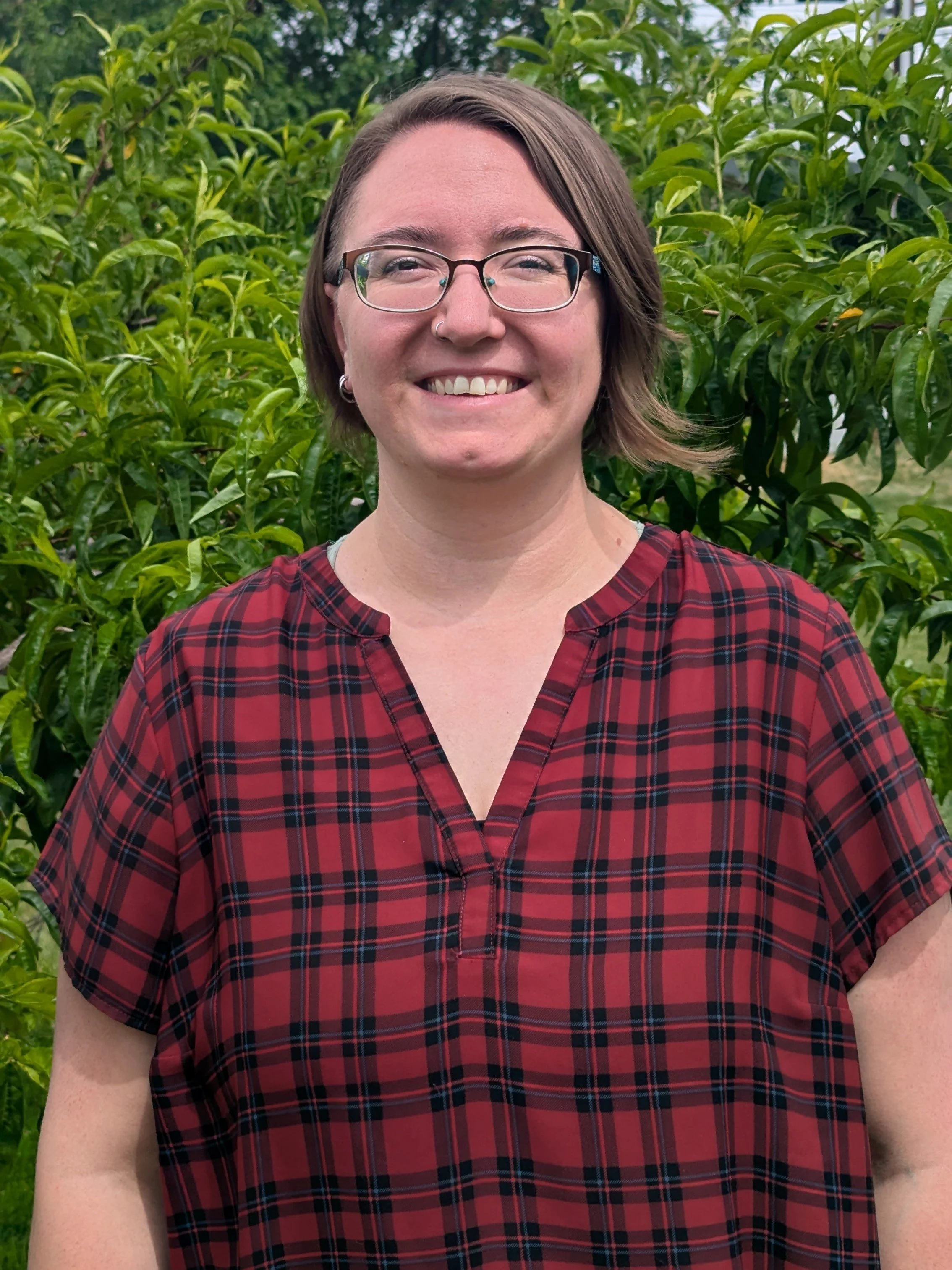
Miranda McArthur
(CMHC Student Intern)
Taking New Clients - Book Here
Growing up, I learned that life can unravel in ways you never anticipated and that the hardest part isn't the unraveling itself, but feeling like you have to face it alone.
My own path has been shaped by experiences I once didn't know how to talk about: a faith transition that left me questioning everything I thought I knew about myself, a divorce, becoming a parent under circumstances I wasn't prepared for, and the slow, sometimes disorienting process of figuring out who I actually am. These weren't clean or linear journeys. They were messy, isolating, and at times completely destabilizing, but they are exactly what brought me into this work.
I think a lot about what it means to feel stuck. Not broken, not failing, just stuck in a version of yourself that no longer fits, without a clear sense of who you're becoming. That experience is what I'm most passionate about sitting with clients in. I particularly enjoy working with people navigating faith transitions, LGBTQIA+ concerns, anxiety, depression, trauma, suicidality, grief, identity exploration, and the emotional weight that can come with major life changes and parenthood.
My goal is to create a calm, collaborative, and nonjudgmental environment where clients feel safe sharing their stories and exploring difficult experiences. I believe healing begins when people feel genuinely seen, heard, and accepted with CBT (cognitive behavioral therapy) skills. Together, we can identify meaningful goals, build self-understanding, and work toward growth and healing in a way that feels authentic to you.

Tyler Johnson
(MFT Student Intern)
Taking New Clients - Book Here
When I was 24 years old, I spent an afternoon deciding on a place in my apartment where I could end my life. For the first time, I realized that I needed help. My journey with mental health started long before this moment, but growing up, I always told myself that I could handle it alone and that it wasn’t something I wanted to burden others with. These thoughts and beliefs are what drove me to planning on taking my life, and once I recognized that, I allowed myself to get the help I needed.
I understand through personal experience that therapy can be a terrifying place to be. Going into therapy, I remember feeling lost, scared, and above all ashamed that I even needed help. However, therapy became a place for me to finally let go of all the pain and shame I had been causing myself over the years.
This understanding of the torment that mental health struggles can cause is something that I bring to the therapy room. I seek to create a space where everyone can feel safe and heard while they talk through some of the most difficult moments of their lives. In our sessions, we will work at your pace and foster growth and understanding. I believe that while therapy can be one of the scariest steps you take in your life, it can also be the one step that changes your life.

Ryan Parry (MS, LMFT)
Not Currently Taking New Clients
As a therapist, I take a psychological and philosophical approach to therapy, believing deeply in the transformative power of perspective. You are not defined by your problems; instead, when life is viewed through a lens of action rather than reaction, challenges can become opportunities for growth. My work often focuses on the stories we tell ourselves and the meanings we assign to our experiences. By shifting the lens through which you view your problems, the problems themselves can change, offering a path to greater understanding and self-awareness.
I specialize in helping individuals navigate anxiety—particularly social anxiety—life transitions, and borderline personality disorder. Anxiety often stems from the tension between who we are and who we feel we need to be. My proactive approach is about overcoming these challenges, not just coping with them. For couples, I employ Emotionally Focused Therapy (EFT) to help build strong, secure bonds, particularly for those embarking on new chapters, like marriage. I also have a passion for addressing attachment issues, whether you struggle to feel safe in connection or long for closeness but find it elusive. Relationships, both with yourself and others, are often the heart of our struggles and healing.
Above all, I believe authenticity is crucial to meaningful change. Many people wrestle with questions of self-identity—who they are and who they want to be. Helping you discover your authentic self is at the core of my work. My approach is grounded in hope and empathy; I truly believe that every problem can be overcome or reframed as a source of growth. In our sessions, you’ll find a welcoming, nonjudgmental space where you can be yourself, no matter your background or identity. Together, we’ll work to foster understanding, acceptance, and the positive change you’re seeking.
Learn more about me: Here

Suyeon “Sue” Lee (MS, LAMFT)
Not Currently Taking New Clients
Since childhood, I have strived to be a good child. At home, school, and church, I sought the recognition and praise of others. Lacking the courage to be free from the judgment and opinions of others, I always evaluated myself through their eyes. This led me to feel perpetually inadequate and insufficient. With others at the center of my life instead of myself, I naturally felt a sense of depression and emptiness and did not feel excited or eager to start each new day. From a young age I felt very little attachment to life; each morning, as I rode my bike to school, I would look at passing cars and think, "I wish one of them would hit me."
As I entered adulthood, my parents divorced. Internalizing this event, my feelings of inadequacy and being a burden intensified, worsening my depression. This led me to seek my own therapy through which I began to understand my depression. Instead of viewing myself through the eyes of others, I was able to look inward with my own eyes. Only then did I begin to realize the many sparkling and beautiful aspects I had within me. I learned that my worth is not earned through achievements or people pleasing: it exists because I exist!

Eden Jerome (MS, LAMFT)
Not Currently Taking New Clients
When people ask why I became a therapist, the answer is layered. While my childhood was mostly positive, there were darker moments, especially after I became permanently disabled at 16. The grief and emotions tied to the loss of the life I had imagined were overwhelming. I struggled with PTSD, depression, anxiety, anger, and feelings of self-pity. The darker parts of my past resurfaced when I hit my lowest points. What helped me navigate through those tough times was the allowance to express myself however I needed. Having trusted people who were willing to sit with me in my pain, who allowed me to be vulnerable without judgment, made all the difference. This healing experience made me realize the power of compassionate, non-judgmental support.
Driven by a desire to understand my own mind and emotions, I pursued a path in psychology and later specialized in marriage and family therapy. My journey has not been easy, and I continue to grow personally and professionally. But it has shown me the immense value of supporting others through their own struggles. As a therapist, I am honored to be that supportive presence for others navigating change, trauma, grief, and relationship challenges. I believe in celebrating wins, learning from setbacks, and "walking" (or rolling, haha) alongside people during their healing journey. Having experienced the relief of being supported, I am passionate about providing the same for others.
I specialize in helping individuals cope with trauma, relationship struggles, empowerment challenges, and navigating chronic conditions or disability. My approach is rooted in empathy, understanding, and a commitment to your unique needs and growth. I believe that with the right support, everyone has the potential to heal and thrive.

Samantha Angelovich
(MS, ACMHC)
Not Currently Taking New Clients
I have experience helping adults and teens with ADHD, Autism, Anxiety, Depression, OCD, and trauma. In sessions, I aim to create a space where we can openly explore your concerns and where you are received with compassion, understanding, and hope. I will also challenge you to think about things in new ways and try new things. As we work together, you will gain new insights and experiences that empower both healing and change.
I have seen therapy make a powerful transformative difference in my life as I have navigated struggles with severe ADHD and watched my family face ADHD, dyslexia, anxiety, depression, suicidality, and trauma with the help of a therapist. It is hard to suffer or struggle and feel like you don't know the path forward, but I promise that having a therapist who is a good match for you can bring a landmark shift to your journey.
I want to help you develop a sense of self-trust and self-worth. You won't have to attempt to shame yourself into being better. Each of us has parts of ourselves that are wounded and need healing. At the same time, we also have parts that contain wisdom, compassion, and bravery that we can learn to lean into. Together, we will work to better understand your internal world——your senses, thoughts, feelings, and behavioral patterns——to help you discover small, meaningful changes that will enable you to feel more present, whole, and intentional in your life.

Anastasiia Rozumna
(MS, LAMFT)
Not Currently Taking New Clients
Early in life, I learned that safety often felt tied to being exceptional. In my world, being smart, capable, and strong was not just praised – it felt necessary. I carried the belief that if I worked hard enough, achieved enough, and stayed “perfect enough,” I could protect myself from shame, rejection, and instability. That way of living may have helped me survive, but it did not teach me how to feel at peace. That belief shaped me deeply, but so did the experiences that followed: living through war in Ukraine, navigating immigration, rebuilding life in unfamiliar places, and doing my own trauma recovery. These experiences taught me both how painful life can be and how resilient people can become. They also taught me that healing does not happen through judgment, pressure, or perfection. It happens when we are met with honesty, care, and a space where we no longer have to perform to be worthy.
That understanding is at the heart of who I am as a therapist. I bring care, honesty, and authenticity into the therapy room – qualities deeply rooted in my cultural background, therapy journey, and in the way I connect with others. Having lived in different countries, I also bring diverse cultural experience and deep respect for the ways culture, trauma, and relationships shape us.
I work with individuals, as well as couples and families. I feel honored to witness how, while relationships can be a source of our deepest pain, they can also become a powerful source of healing. I care deeply about my clients making real progress, which often means being willing to face difficult topics with honesty and courage. At the same time, I believe healing cannot be forced, it unfolds when people feel safe. This is why I aim to create a space where clients feel safe to be brave.
-
We are always interested in finding a way to bring like-minded people into our group. There is plenty of work. Let us know about you and what you bring to the team: admin@oliveviewtherapy.com